Emandal Art Stay Botanical Dyeing
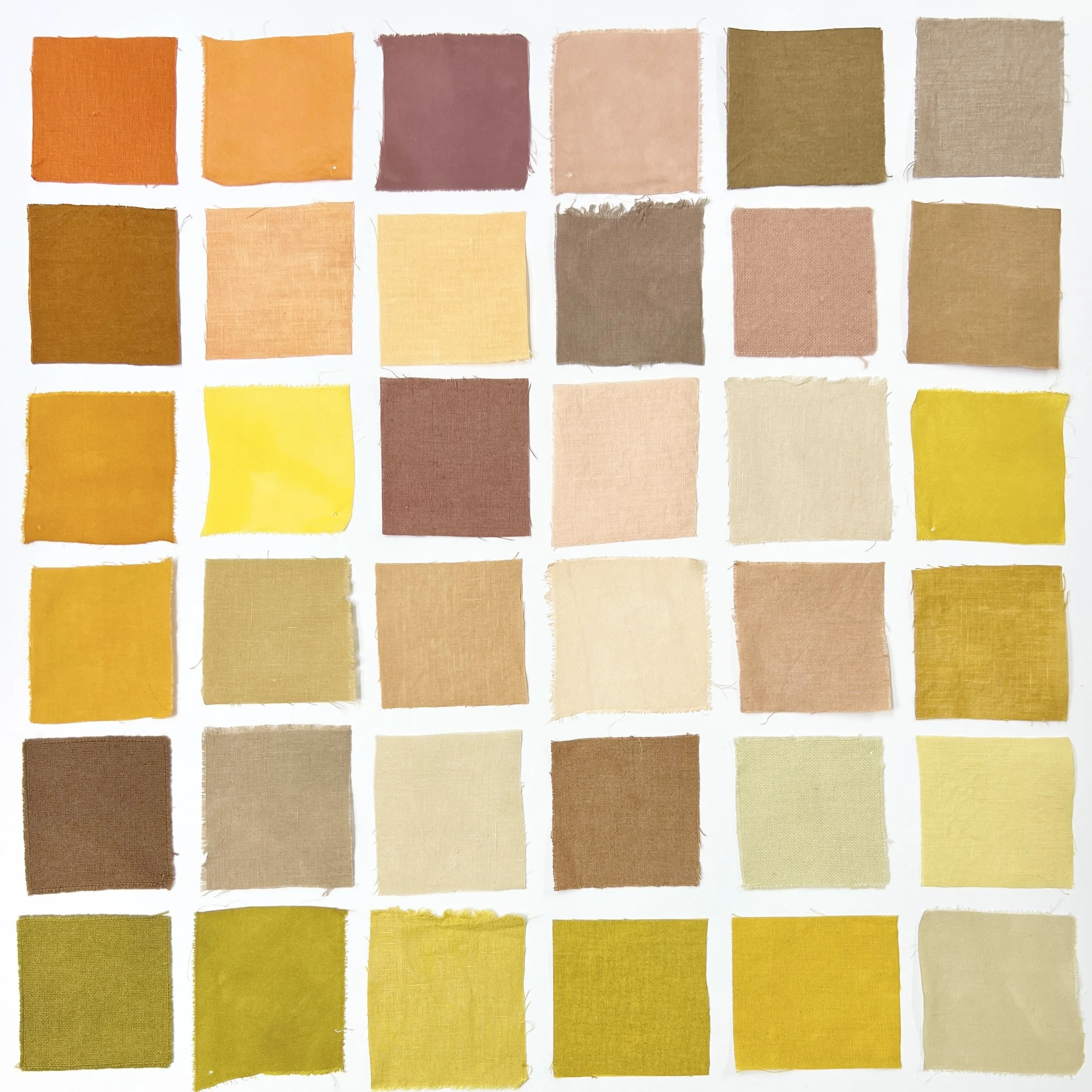
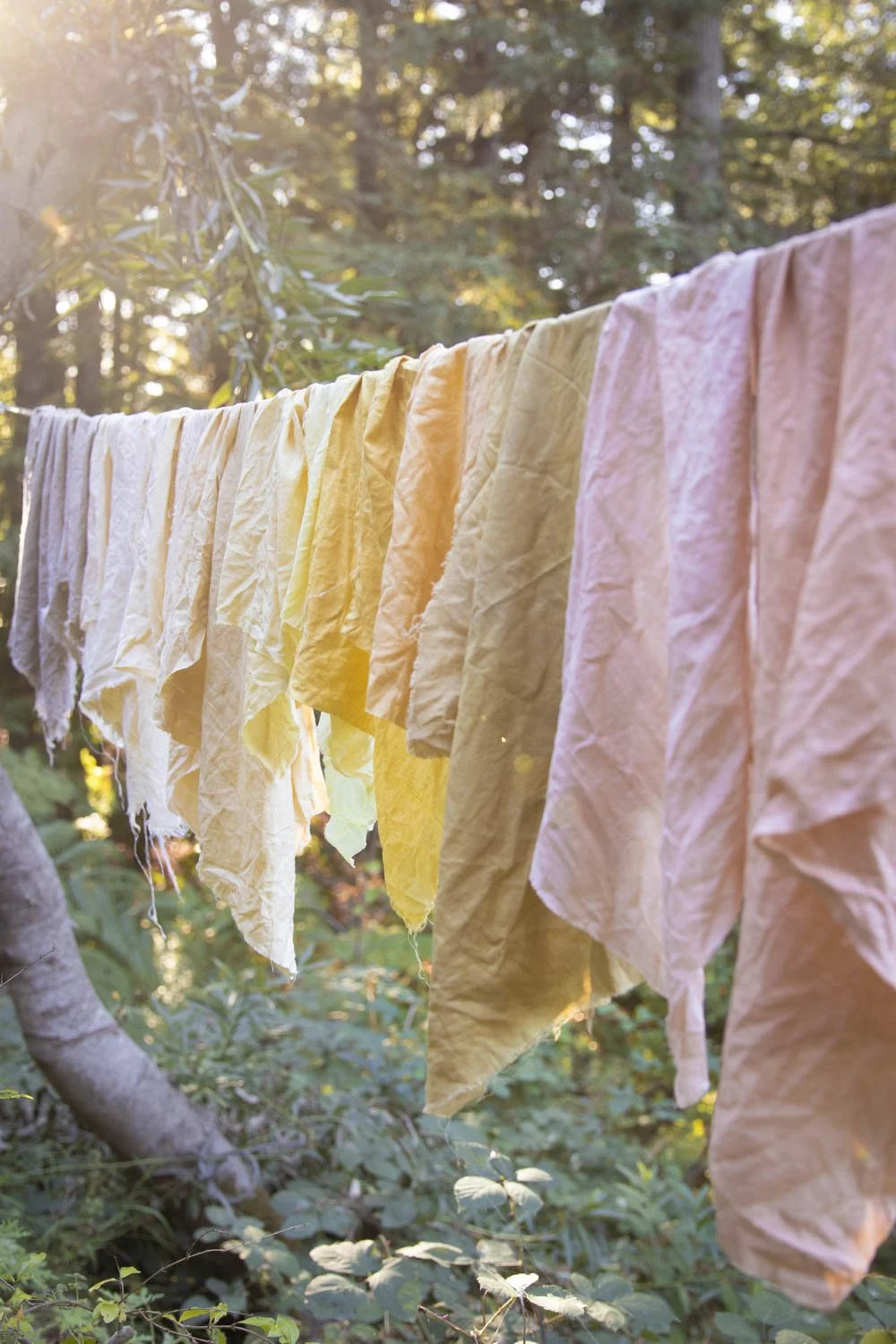
This color grid represents some of the plants we used in 2025
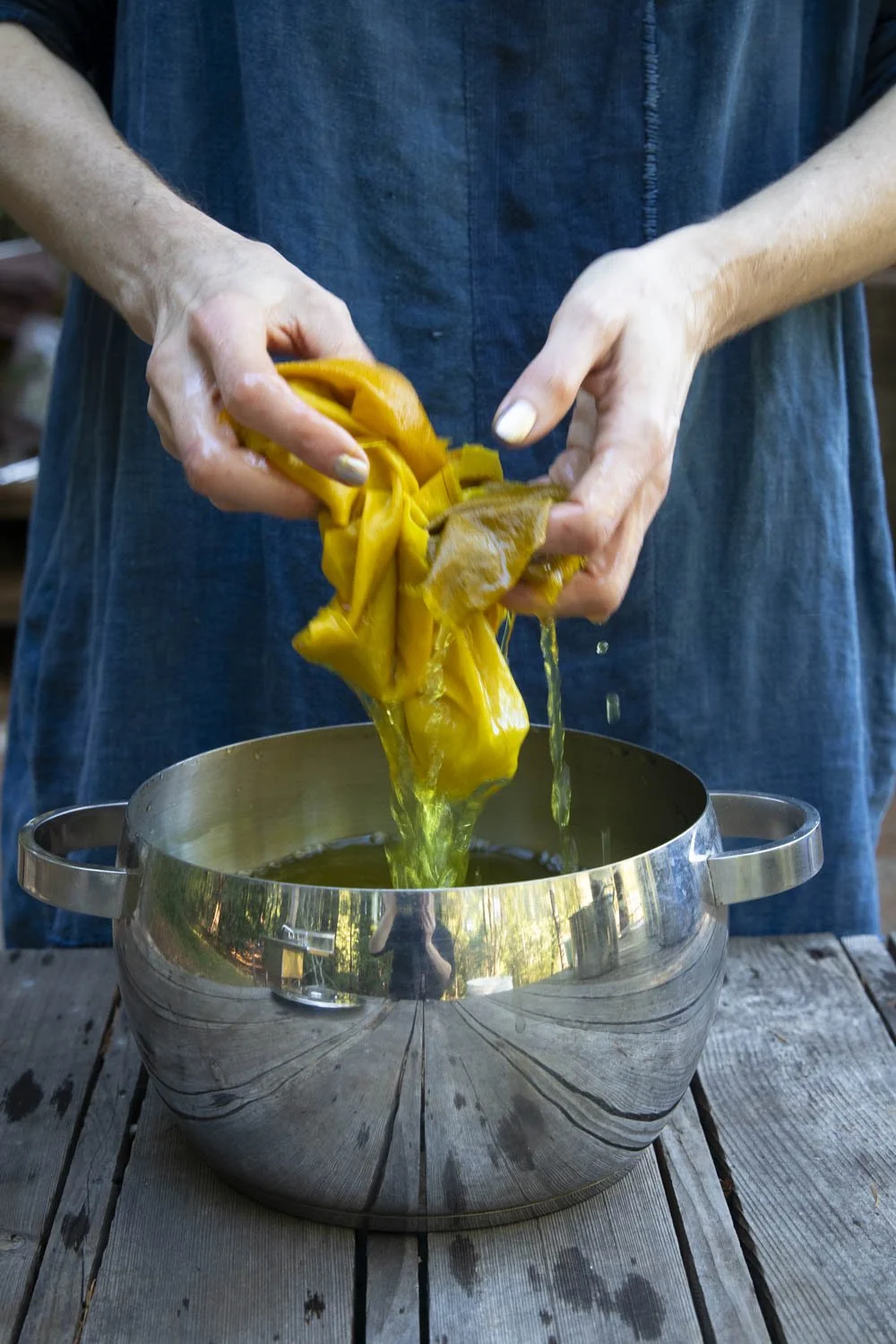
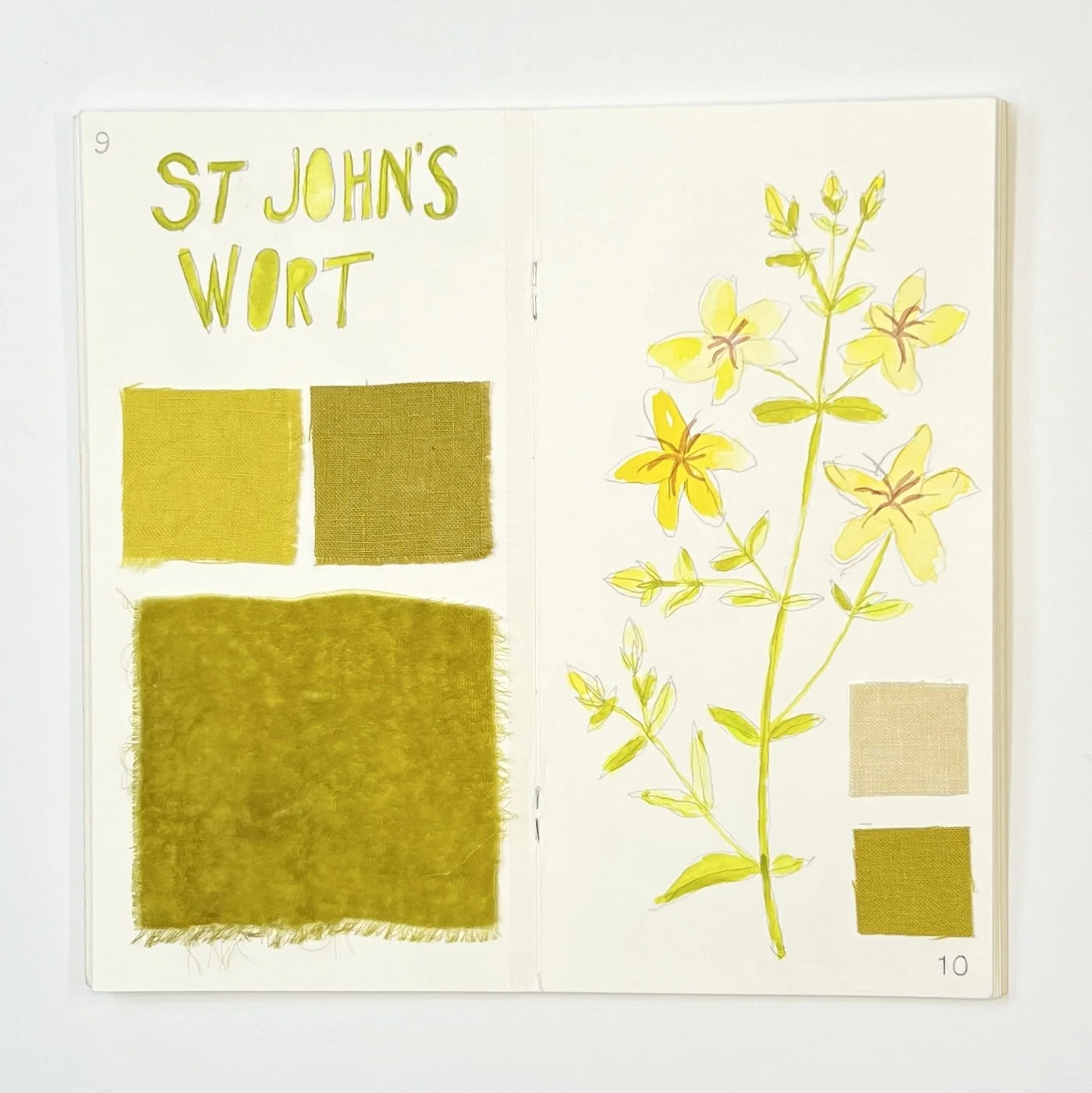
I’ve been lucky to teach at Emandal as part of Art Stays since 2023. I usually teach Natural Dyeing in the Fall and Slow Stitching during the summer session. This year is the first time I’ll be teaching Dyeing in June. I’m very excited to see the different plants that will be available to gather. I know there will be St. John’s Wort, which produces lovely greens and golden hues. It always blooms around the Summer Solstice, making it easy to spot along the roadside. The workshop is four nights and five days. In that time, we gather flowers from the garden, leaves, bark, and other herbaceous plants and make test jars. We use linen, cotton, wool, and silk that have been mordanted with different mineral salts. If the plant is high in tannins, we also test fabrics that have not been mordanted. My Dye practice focuses on cellulose fibers, but I always include protein fibers because the resulting colors often vary. This is also the reason we test different mordants. Many factors affect color, including the time of year, the weather, and even the soil.
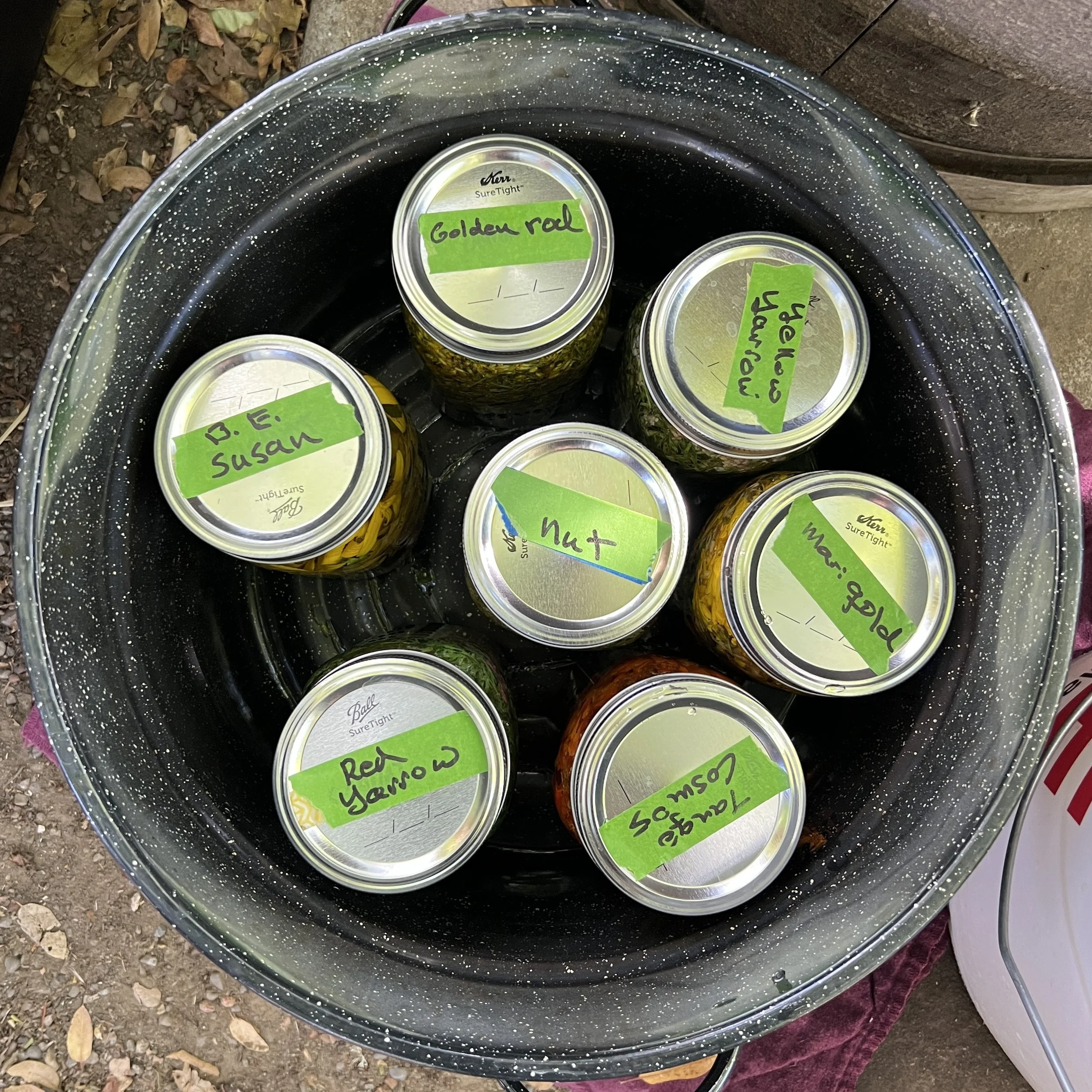
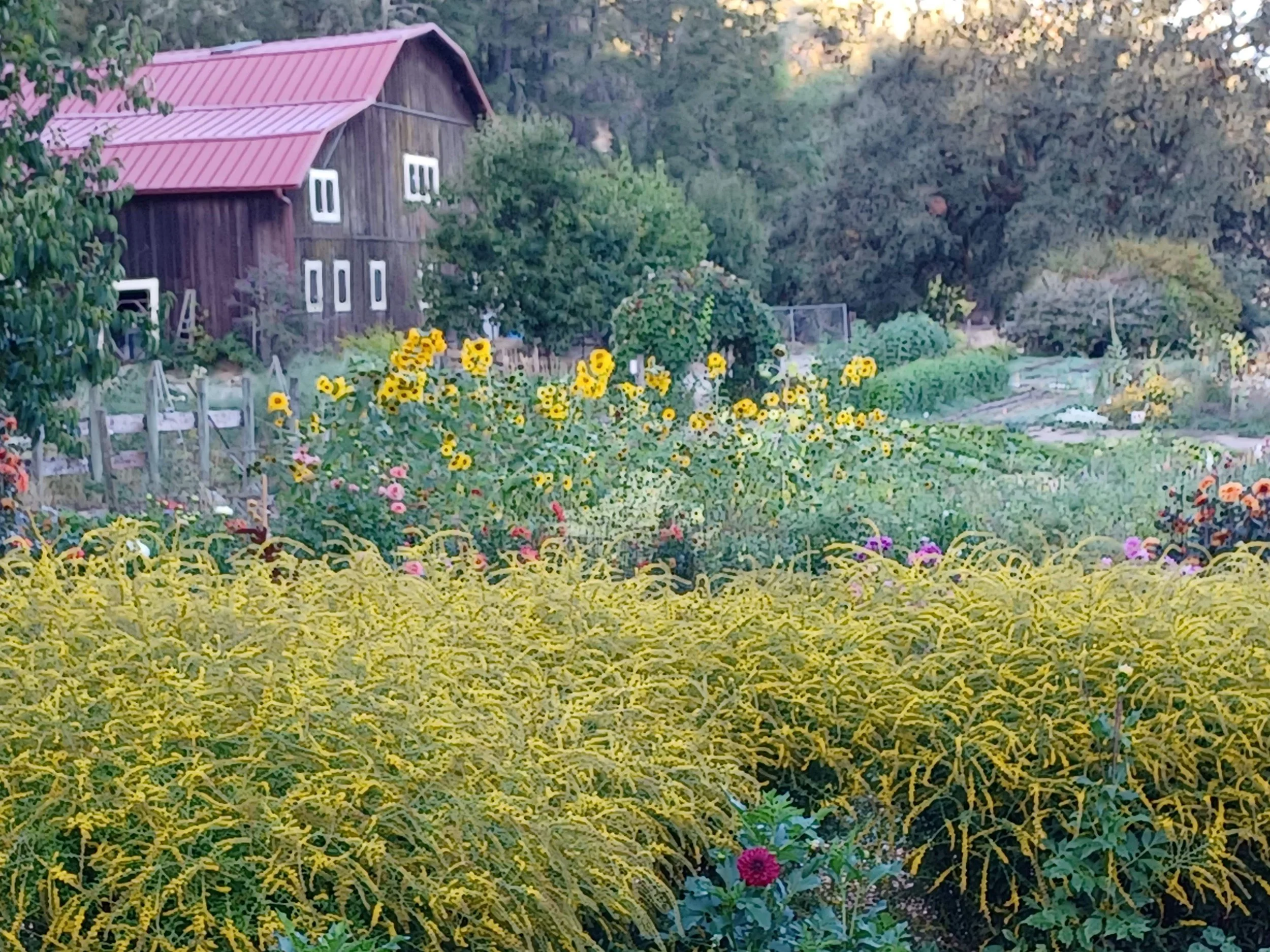
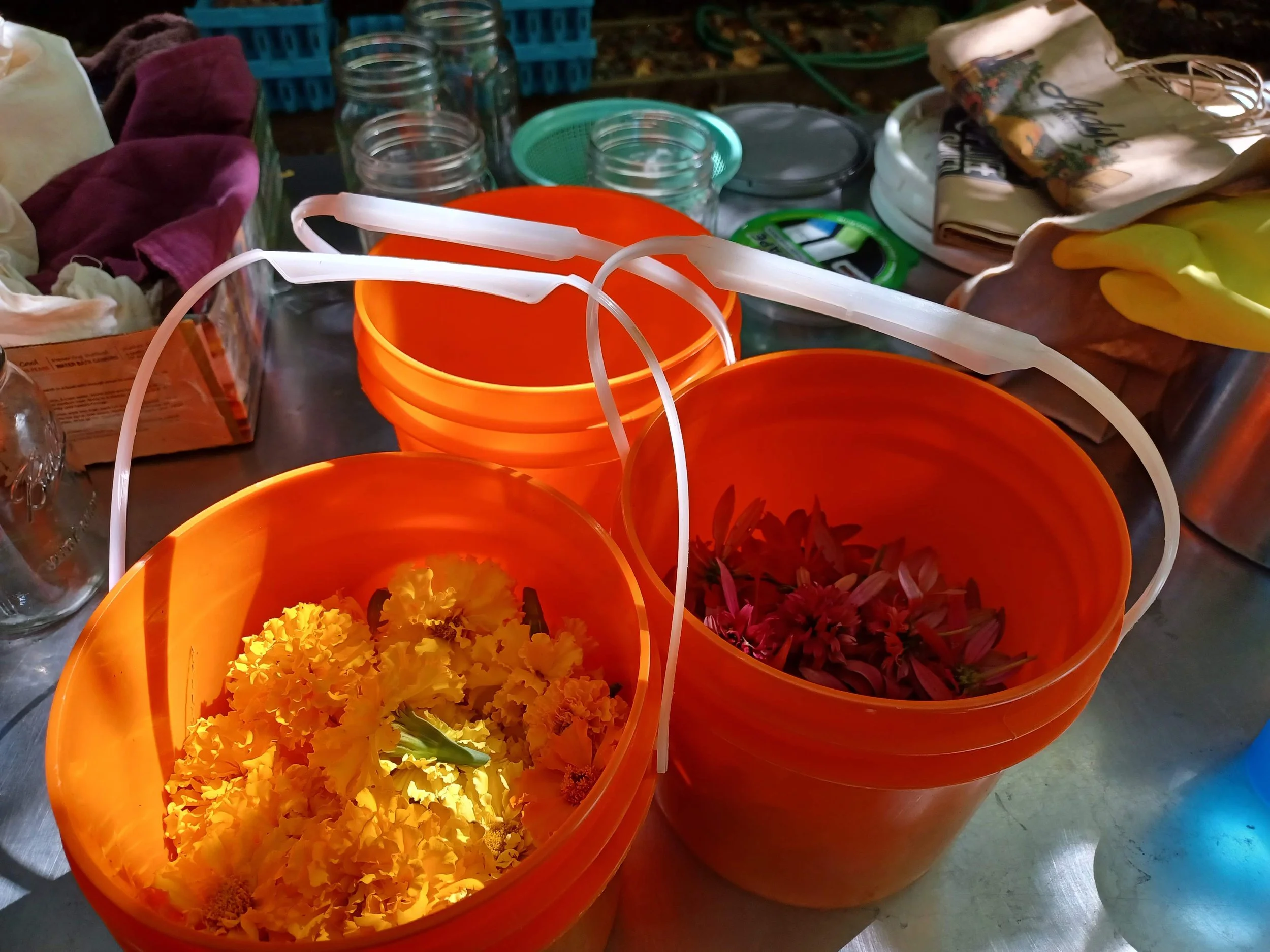
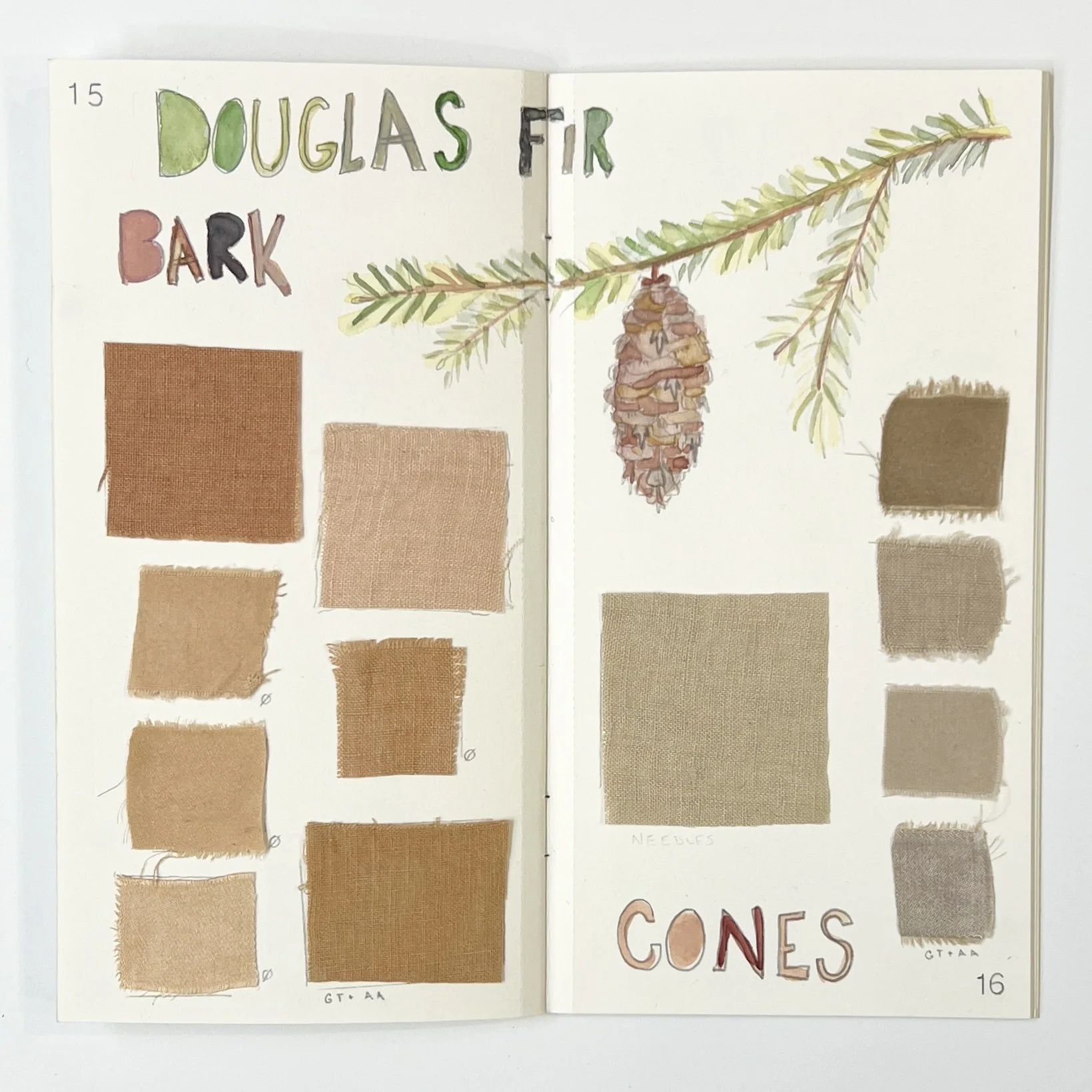
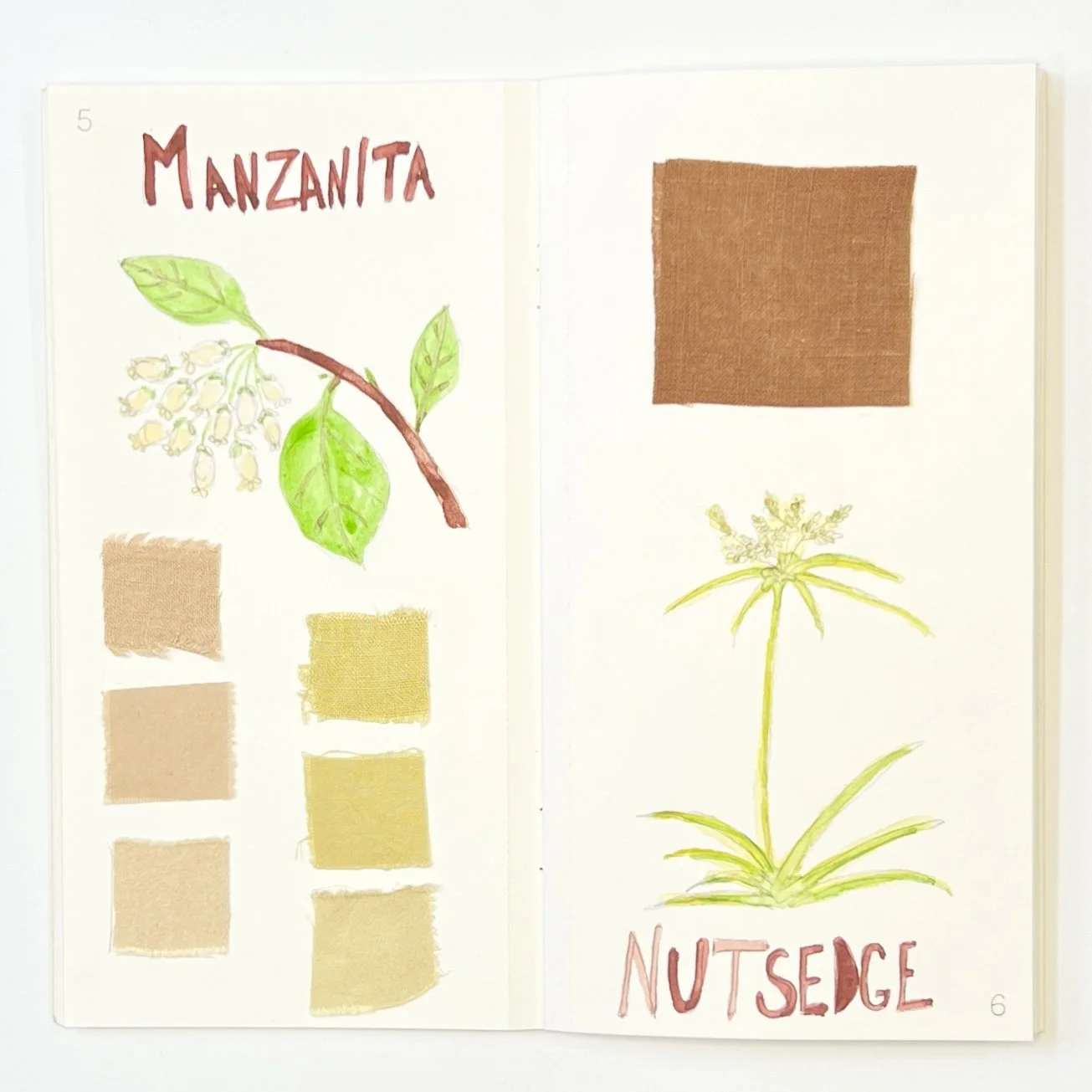
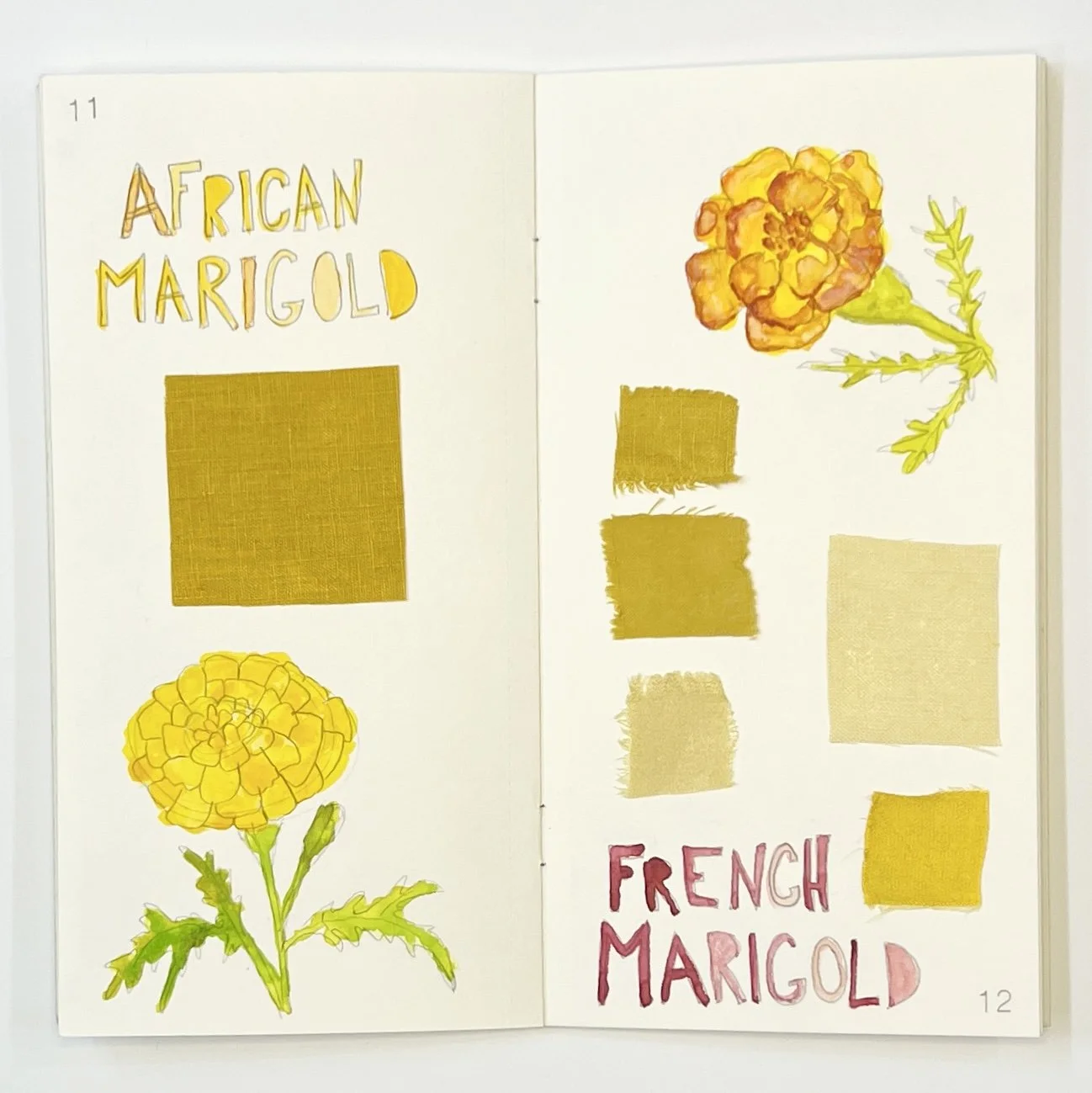
Some of the flowers and plants we’ve used are Sulfur Cosmos, Goldenrod, Yarrow, Marigolds, Black-eyed Susans, Nutsedge, and Purple Coneflower. Trees include Pacific Madrone bark, Manzanita bark, English Walnut leaves and husks, Redwood cones, Apple leaves, Canyon Live Oak acorns and leaves, Interior Live Oak acorns and leaves, California Coffeberry leaves, Redbud leaves and pods, and Douglas Fir Cones.
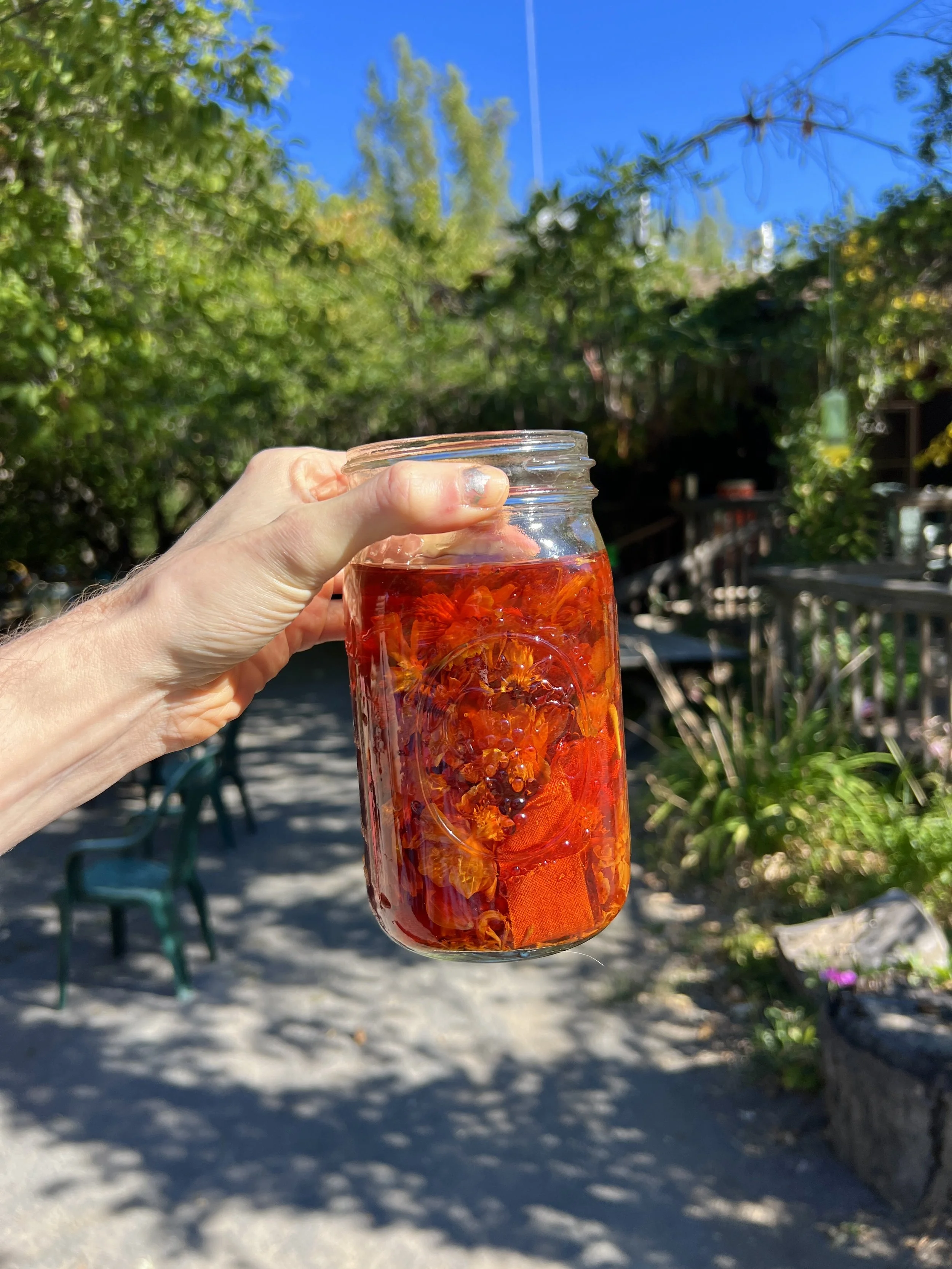
Small batch test jars are an affordable way to explore plant dyes and the colors they may produce. It doesn’t require much fabric or plant matter. You can test as many plants as you have jars. Although I’ve found that seven to ten plants a day is an easily manageable amount. The past two years, we’ve tested fifteen to twenty plants and documented them in a dye journal. Creating a dye journal is an important step in the process. I’ve spent several years coming up with a way to keep track of different mordants and fabrics, so that when it comes time to put things in your journal, it’s easy, even if you don’t have a lot of experience.
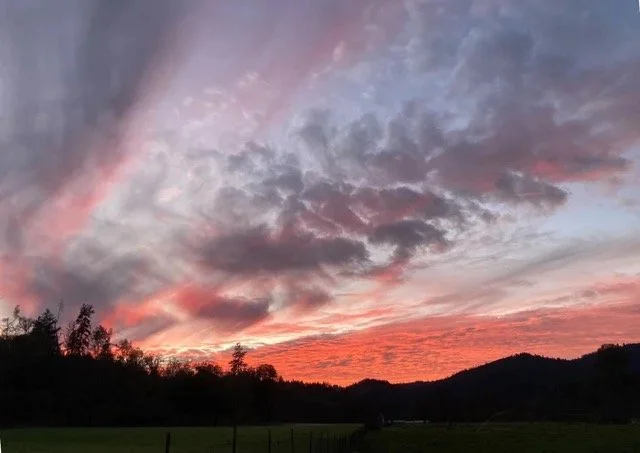
My favorite part of being at Emandal is that there is no cell service. It allows you to unplug and appreciate the beauty that surrounds you. I love it when everyone gathers at 5:00 pm to share what they did that day, eat some snacks, and have something refreshing to drink, followed by a delicious meal. It’s a wonderful, creative community. Afterward, I like to slowly walk back to my cabin and listen to the wind rustle the trees while looking up at a brilliant night sky.
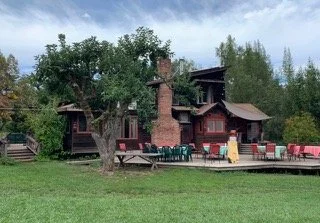
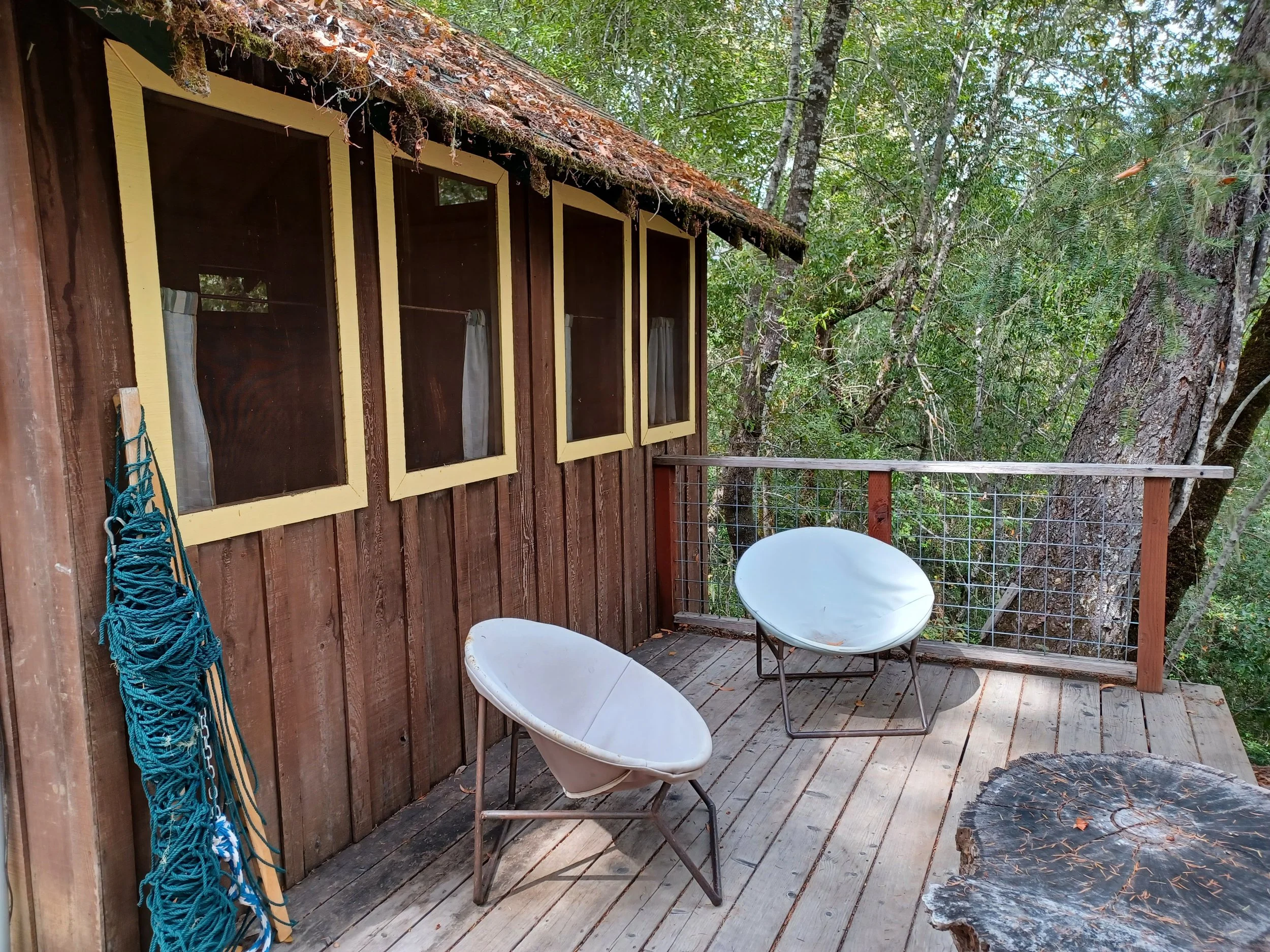
I made a little video last year, unfortunately, I forgot to film anything during the workshop Lol. But the video shows the beautiful landscape, gardens, main area, and the cabins. I would like to mention that the cute little out houses up by the cabins are proper bathrooms with running water. The cabins also have running water and outdoor kitchens. I did not film the rooms up by the main house. There are lots of different accommodations, not just cabins. There’s a link below to Art Stays website and all the details.